Houston Top Rated Auto Repair: Affordable Vehicle Maintenance Services
Top Auto Repair Tips: Maintain Your Vehicle's Performance and Safety
Caring for a vehicle calls for careful observation and a preventative approach. Routine upkeep is essential for supporting safety and performance. Drivers must remain aware of signs of possible issues, such as unusual noises or warning lights. Grasping basic troubleshooting techniques can equip individuals to address minor issues. However, understanding when to contact a professional is just as critical. explore the facts Striking this balance can make all the difference in the lifespan of a vehicle. Which steps deserve the most attention?
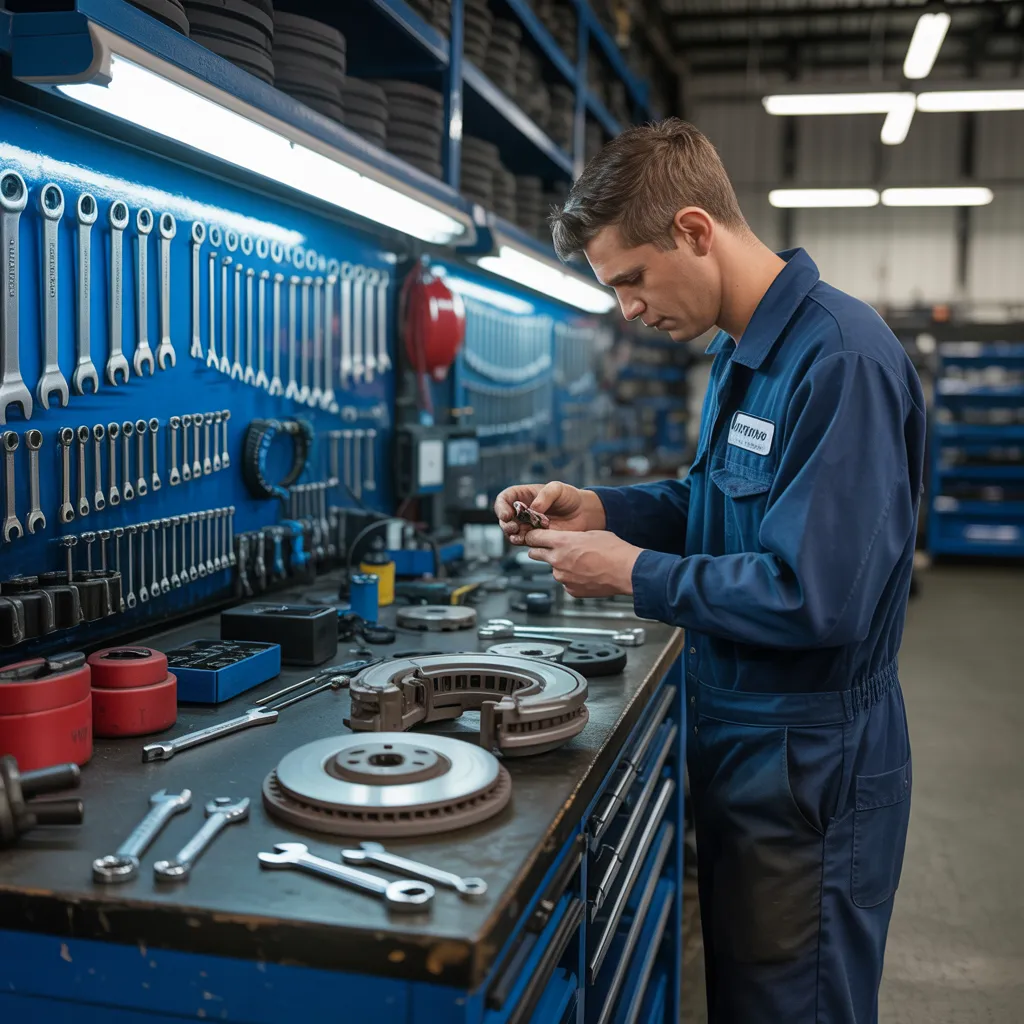
Essential Maintenance Tips for Every Vehicle Owner
Routine maintenance is essential for all vehicle owners to secure optimal performance and durability. Scheduled checks not only strengthen safety but also optimize fuel efficiency. Important duties involve regular oil changes, typically every 5,000 to 7,500 miles, according to the vehicle category and oil selected. Tire condition is just as critical; sustaining adequate pressure and rotating tires every 6,000 to 8,000 miles can reduce uneven wear. Furthermore, brake inspections should occur at least once a year to secure reliable stopping power. Vehicle owners should additionally check fluid levels, including engine coolant, brake fluid, and windshield fluid, refilling when required. Furthermore, maintaining clean battery terminals and checking the battery each year can avoid sudden failures. Lastly, a detailed check of belts and hoses can help avoid breakdowns, as these components wear over time. Following these critical maintenance steps can contribute to a smoother, more secure driving experience.
Spotting Typical Vehicle Problems: Clues and Symptoms
Numerous vehicle owners may overlook subtle signs that suggest deeper concerns with their vehicles. Being aware of these indicators can prevent minor problems from escalating into major repairs. As an example, unusual noises such as squeaking or grinding can be a sign of deteriorating brakes or related mechanical problems. Furthermore, alert lights on your dashboard, particularly those related to the engine performance or oil levels, ought not to be overlooked, as they often indicate serious problems that need prompt attention.
Changes in handling, such as veering off course or an unreactive steering wheel, may suggest alignment or suspension problems. Furthermore, frequent visits to the gas station could point to fuel system inefficiencies. Finally, visible leaks under the vehicle are obvious evidence of fluid leakage, which could compromise safety and overall performance. By keeping a close eye on these indicators, car owners can ensure their cars continue operating at their best.
DIY Diagnostic Methods for Minor Problems
When faced with minor car issues, motorists can apply effective DIY troubleshooting techniques. Key areas to focus on include inspecting the check engine warning, monitoring fluid levels, and examining the battery. These actions can help uncover concerns promptly and possibly reduce maintenance expenses.
Check Engine Light Diagnostics
The illumination of the check engine light may cause worry for many car owners, indicating possible problems beneath the hood. However, before rushing to a mechanic, there are several DIY troubleshooting techniques one can employ. First, it is advisable to check the gas cap; a cap that is loose or worn can cause the light to come on. Additionally, with the help of an OBD-II diagnostic tool, one can obtain specific diagnostic fault codes, providing insight into the specific issue. Carefully inspecting the engine along with its connected components, like electrical wiring and hoses, can reveal obvious problems like disconnections or leaks. When the automobile functions well in spite of the illuminated warning, performing a reset may provide a temporary fix, however continuous activation of the light warrants a deeper examination.
Fluid Level Inspections
After addressing potential check engine light issues, vehicle owners ought to also think about the importance of ensuring adequate fluid levels. Routine inspections of critical fluids—such as transmission fluid, brake fluid, coolant, and engine oil—can stop small concerns from developing into serious complications. Vehicle owners are advised to reference the owner's manual for proper fluid types and ideal levels. A simple dipstick test can confirm oil levels; if insufficient, topping up is critical. Regarding coolant, a brief visual check of the reservoir can reveal whether additional fluid is required. Brake fluid can be assessed through a visual inspection, while transmission fluid may require a more detailed approach. Ensuring these fluids remain at proper levels supports consistent operation and boosts overall vehicle safety.
Battery Inspection Tips
Checking the battery on a regular basis can stop unforeseen issues and extend its lifespan. A comprehensive check includes assessing the battery terminals for corrosion or loose connections, which can hinder the flow of power. Treating the terminals with a mixture of a baking soda solution can effectively remove corrosion. Furthermore, testing the battery's voltage with a multimeter is vital; a healthy battery should measure close to 12.6 volts or higher. If the voltage is below the recommended level, it may necessitate a charge or a new battery. Checking for physical damage, such as cracks or swelling, is also important, as these problems can suggest the battery is failing. Lastly, confirming the battery is properly fastened can prevent vibrations that may lead to premature wear. Regular inspections promote ideal vehicle performance.
When to Seek Professional Help for Repairs
When an automobile shows unusual noises or smells, it may signal an underlying issue that requires professional attention. Similarly, warning light indicators on the dashboard cannot be ignored, as they often point to critical problems. Recognizing these signs early can prevent further damage and guarantee safe driving.
Odd Sounds Or Smells
Odd noises or smells may point to underlying issues within a vehicle, requiring prompt attention. Sounds including grinding, squealing, or clunking may suggest problems with the brakes, transmission, or suspension. Likewise, unusual odors—such as burning rubber, gasoline, or sharp burning smells—may indicate serious mechanical failures or leaks requiring immediate examination. Disregarding these indicators can cause more severe damage and costly maintenance. Motorists should not delay seeking advice from a qualified mechanic when they observe these warning signs. Early intervention is vital to ensuring the vehicle's safety and longevity. Keeping a consistent relationship with a reliable mechanic can help detect potential problems before they worsen, saving both time and money while ensuring the vehicle operates efficiently.
Caution Light Indicators
Warning lights on a car's dashboard serve as critical indicators of underlying concerns that may require professional attention. Each indicator is linked to particular components, such as brakes, engine, or oil pressure. When a indicator light turns on, it signals that something may be malfunctioning or requires maintenance. For instance, an engine light can indicate multiple concerns, from minor to severe, while a brake warning light suggests prompt action must be taken. Drivers should never overlook these signals, as they can help avoid further deterioration and expensive fixes. Seeking professional help promptly can guarantee safety and prolong the car's longevity. Regular vehicle check-ups and comprehending dashboard alerts are essential for maintaining maximum efficiency and safety on the road.
Essential Fluid Checks You Should Perform
How often should vehicle owners check essential fluids? Consistent monitoring of critical fluids is essential for sustaining vehicle performance and safety. Specialists suggest examining engine oil, coolant, brake fluid, transmission fluid, and power steering fluid a minimum of once per month.
Engine oil is essential for proper lubrication and needs to be checked for both level and cleanliness. Coolant prevents overheating, making monitoring its level essential, especially before long trips. Brake fluid is essential for safe stopping; low levels can indicate potential leaks or component wear. Transmission fluid provides seamless gear shifts, and similar to the others, needs to be inspected regularly.
Power steering fluid influences steering sensitivity and should be monitored to avoid difficulties in handling. Keeping these fluids at appropriate levels not only extends vehicle lifespan but also encourages maximum performance, avoiding expensive repairs in the future. Car owners should make these checks a priority to ensure a safer driving experience.
Tire Care: Essential Tips for Safety and Long Life
Regular checks of automotive fluids are critical for overall performance, but tire upkeep is equally important for durability and safety. Adequate tire upkeep begins with routinely inspecting tire pressure, as under-inflated tires can lead to decreased fuel efficiency and increased wear. Maintaining the recommended pressure provides maximum road contact, enhancing traction and stability.
Moreover, rotating your tires every 5,000 to 7,500 miles ensures even wear and maximizes their lifespan. Motorists should inspect tread depth with the penny test; should Lincoln's head be visible, replacement is necessary. Furthermore, alignment and balancing should be checked periodically to prevent uneven wear and improve handling.
Furthermore, looking out for foreign objects, cracks, or bulges can avoid blowouts and ensure safe driving conditions. By following these tire maintenance tips, drivers can improve safety and extend the lifespan of their tires.
What Those Warning Lights on Your Dashboard Really Mean?
Have you ever thought about what those dashboard warning lights actually mean? Knowing what these indicators mean is crucial for keeping your vehicle safe and performing well. Every light has a distinct function, notifying drivers of potential problems that need to be addressed. To illustrate, the check engine light may point to numerous issues, spanning from trivial matters such as a loose gas cap to more severe engine complications. The oil pressure warning light alerts you that oil levels are depleted or pressure is below acceptable levels, demanding swift action to protect your engine from harm.
Moreover, the battery warning light suggests electrical system concerns, which may affect the vehicle's starting capability. At the same time, tire pressure alert lights reveal insufficient tire pressure, which can pose safety risks. Identifying these warnings allows drivers to resolve concerns in a timely manner, making certain the vehicle runs smoothly and safely. Ignoring these warnings can bring about costly fixes and potentially dangerous outcomes.
Common Questions and Answers
How Often Do I Need to Replace My Car Battery?
Car batteries generally require replacement every three to five years, influenced by usage and environmental conditions. Routine inspections can help detect problems early, ensuring reliable performance and avoiding unexpected failures during critical times.
What Are the Advantages of Using Synthetic Oil?
Utilizing synthetic oil provides a wide range of advantages, including superior engine protection, enhanced fuel efficiency, superior temperature stability, and extended intervals between oil changes. These advantages contribute to long-term vehicle performance and durability, making synthetic oil a preferred option.
What Steps Can I Take to Improve My Vehicle's Fuel Economy?
To optimize fuel economy, regular maintenance is essential. Ensuring tires are adequately inflated, employing superior quality engine oil, reducing excess weight, and keeping a consistent driving speed can lead to noticeable enhancements in a car's gas mileage.
What Can I Do if My Car Starts Overheating?
When a car overheats, the driver should bring the vehicle safely to a stop, switch off the engine, and allow it to cool down. Checking coolant levels and inspecting for leaks can aid in diagnosing the reason for the overheating.
How Can I Select the Best Mechanic for My Vehicle?
To choose the right mechanic, one should consider qualifications, client feedback, and referrals. Comparing estimates and ensuring clear communication about services offered can also be beneficial when making a knowledgeable selection for car upkeep.